Capturing the Celestial Shadow: A Guide to Totality
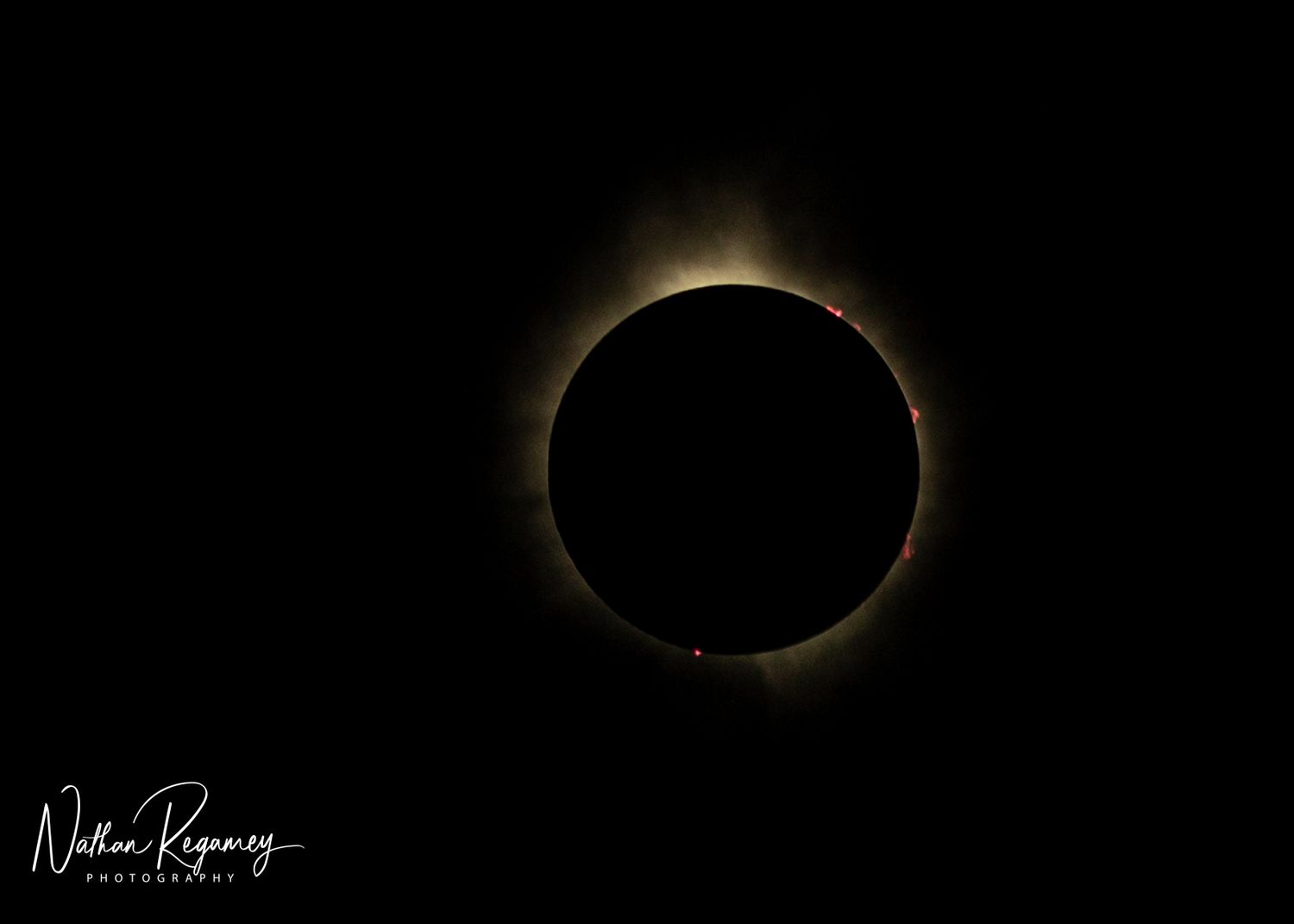
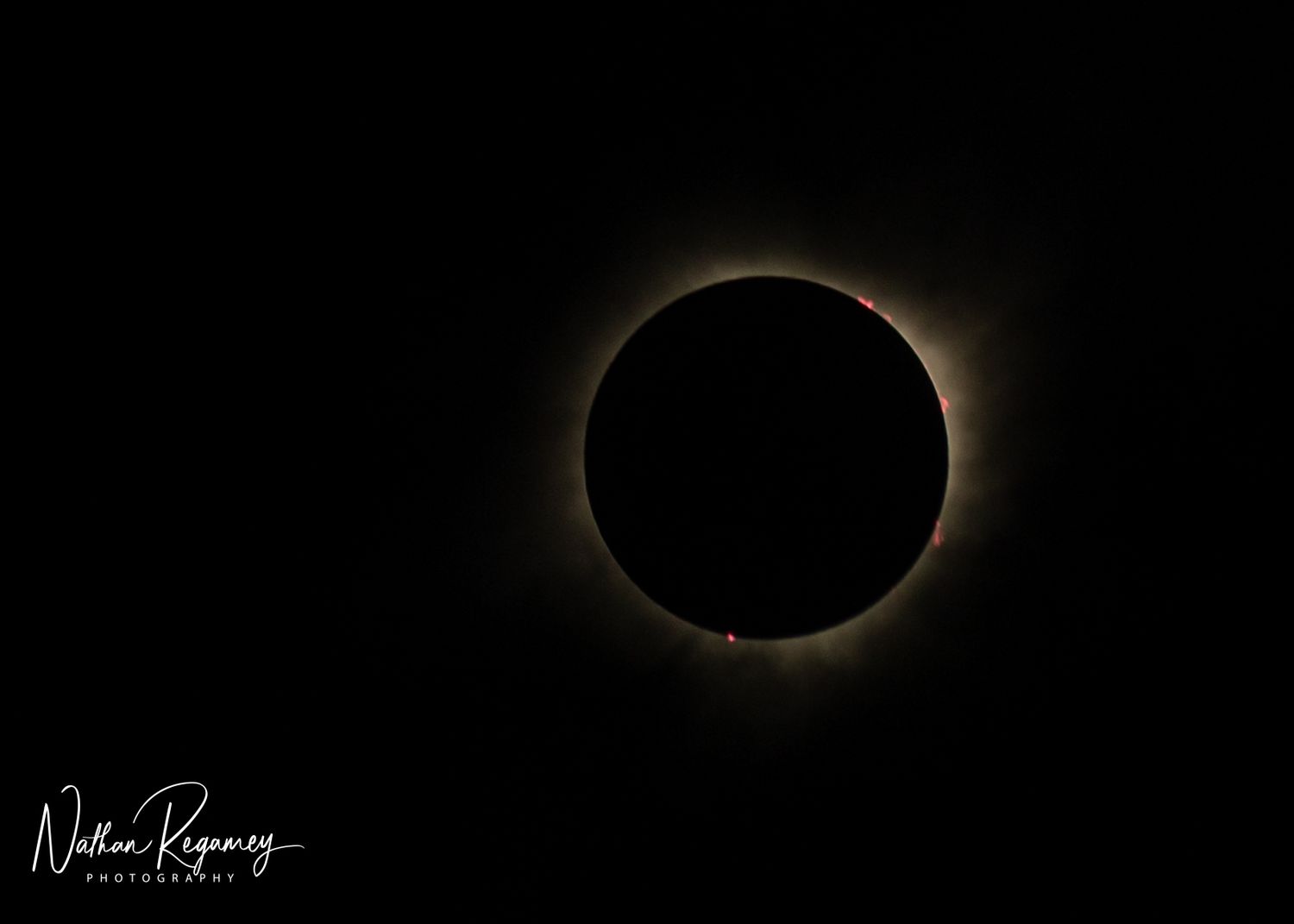
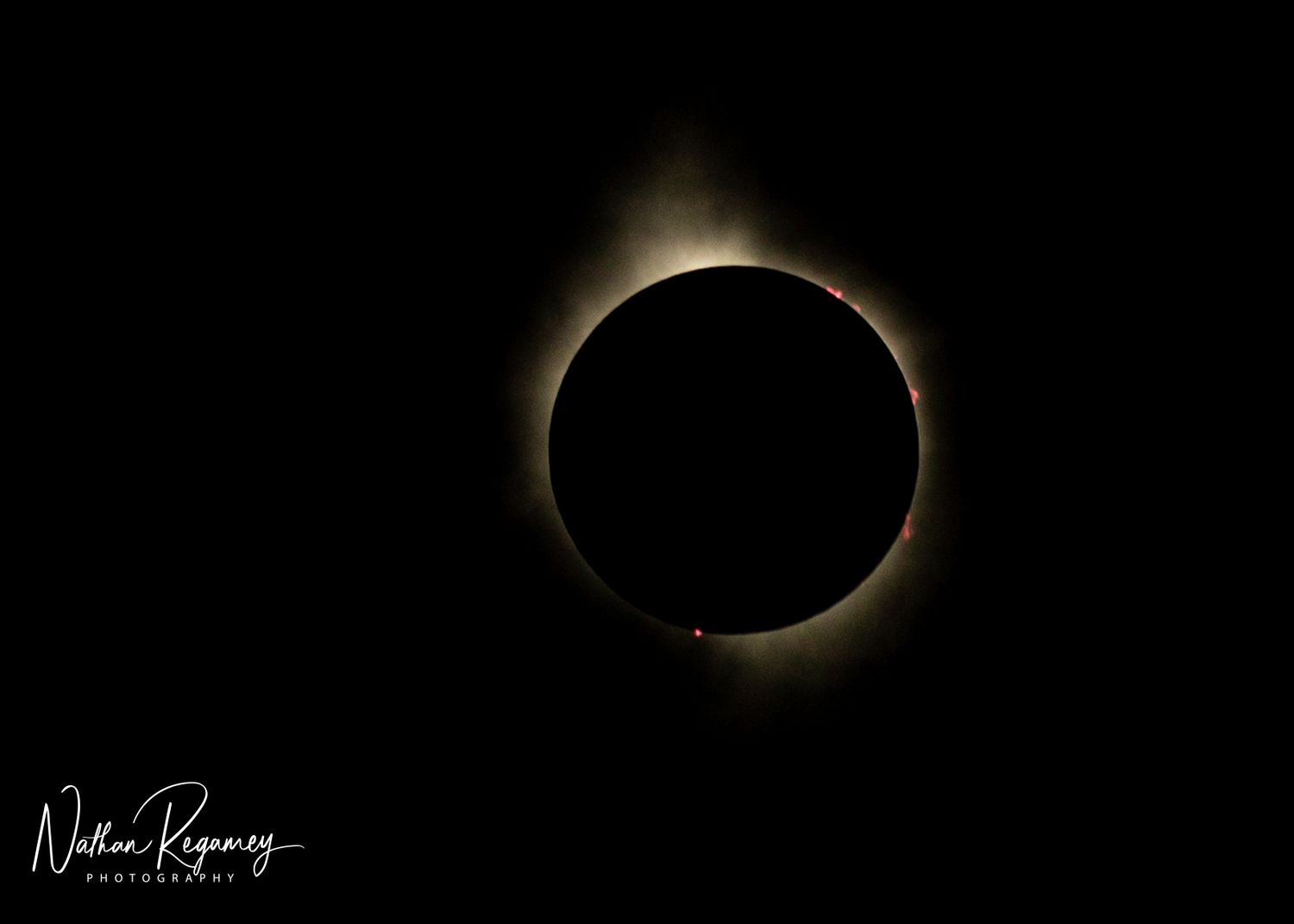
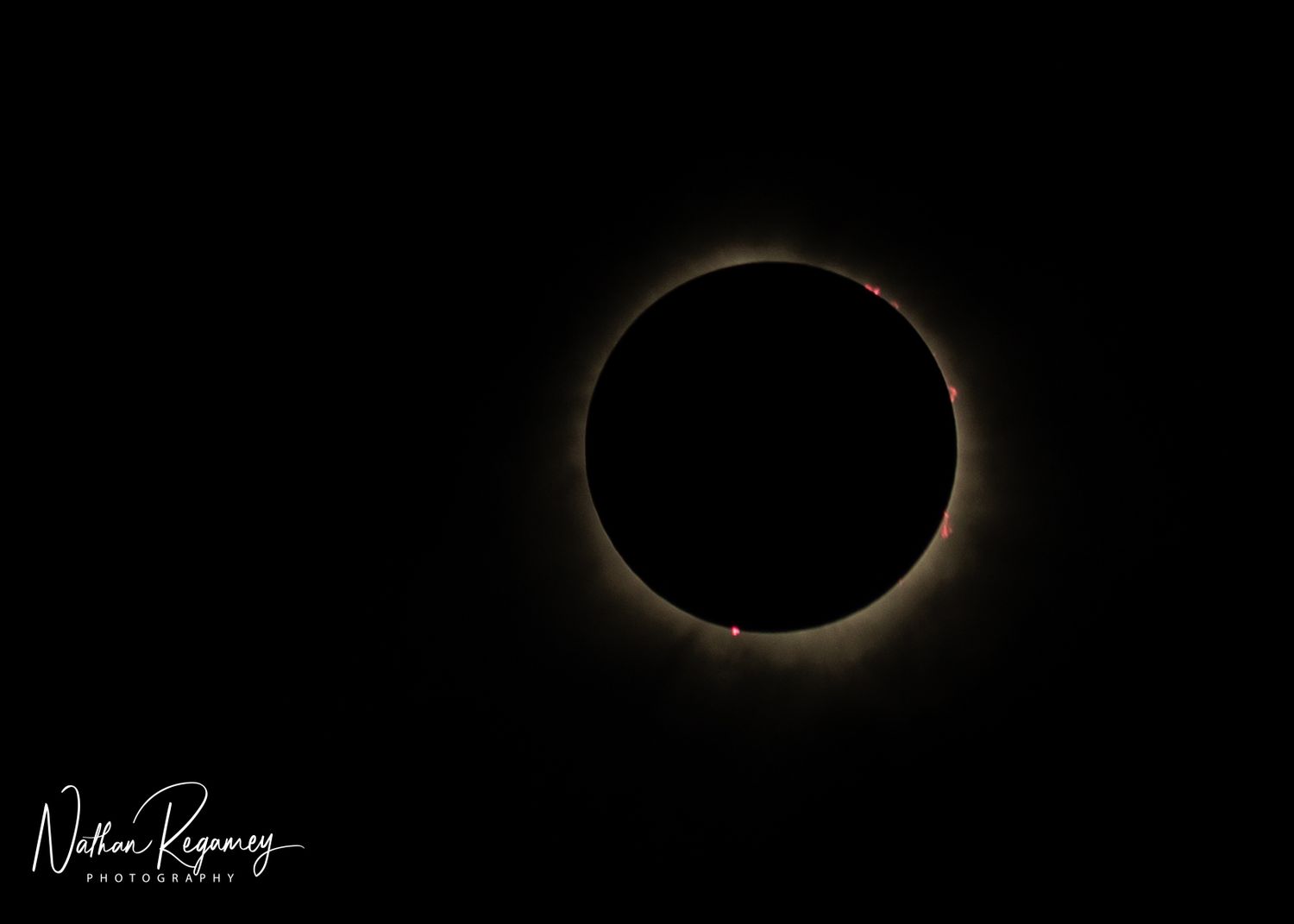
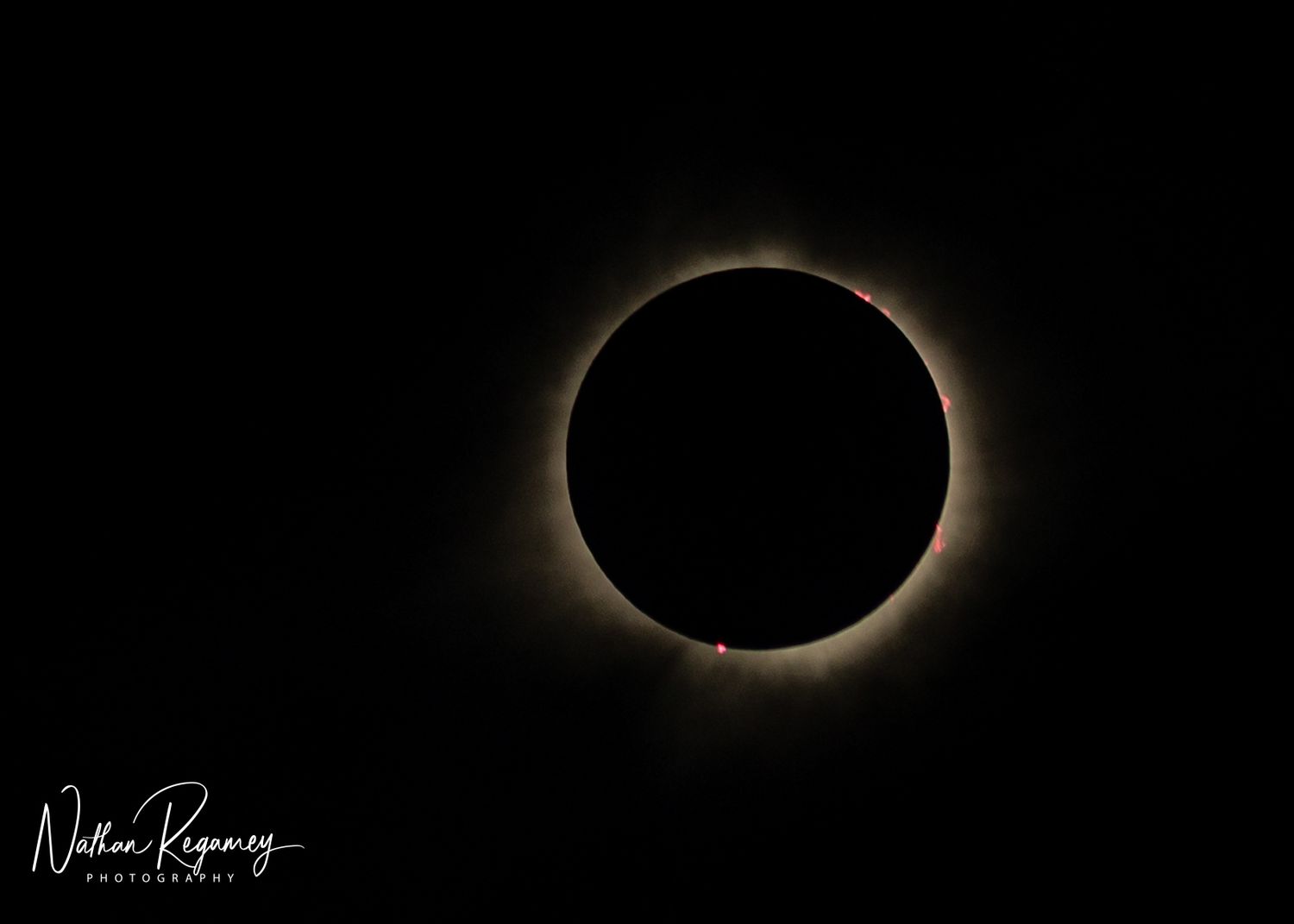
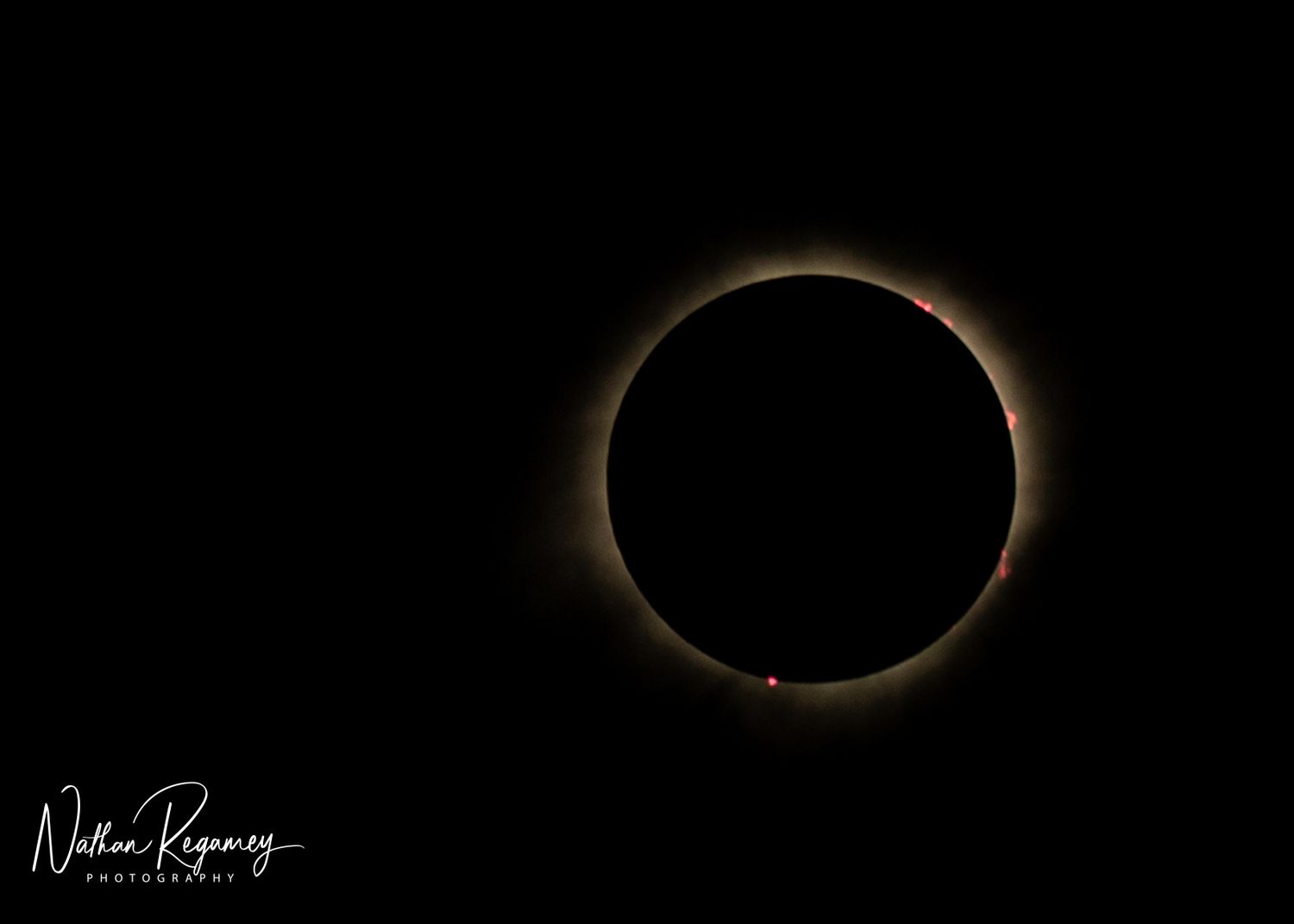
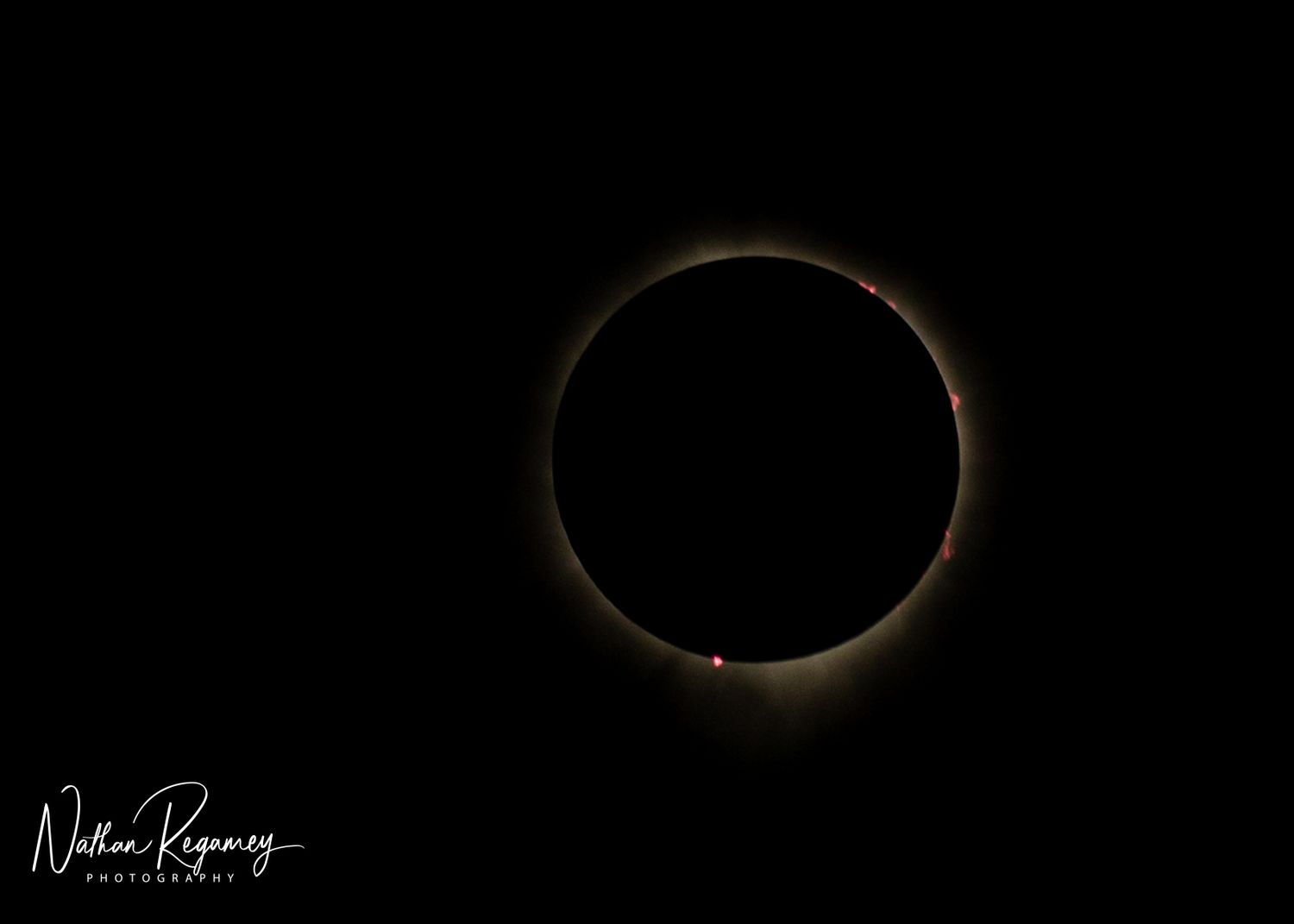
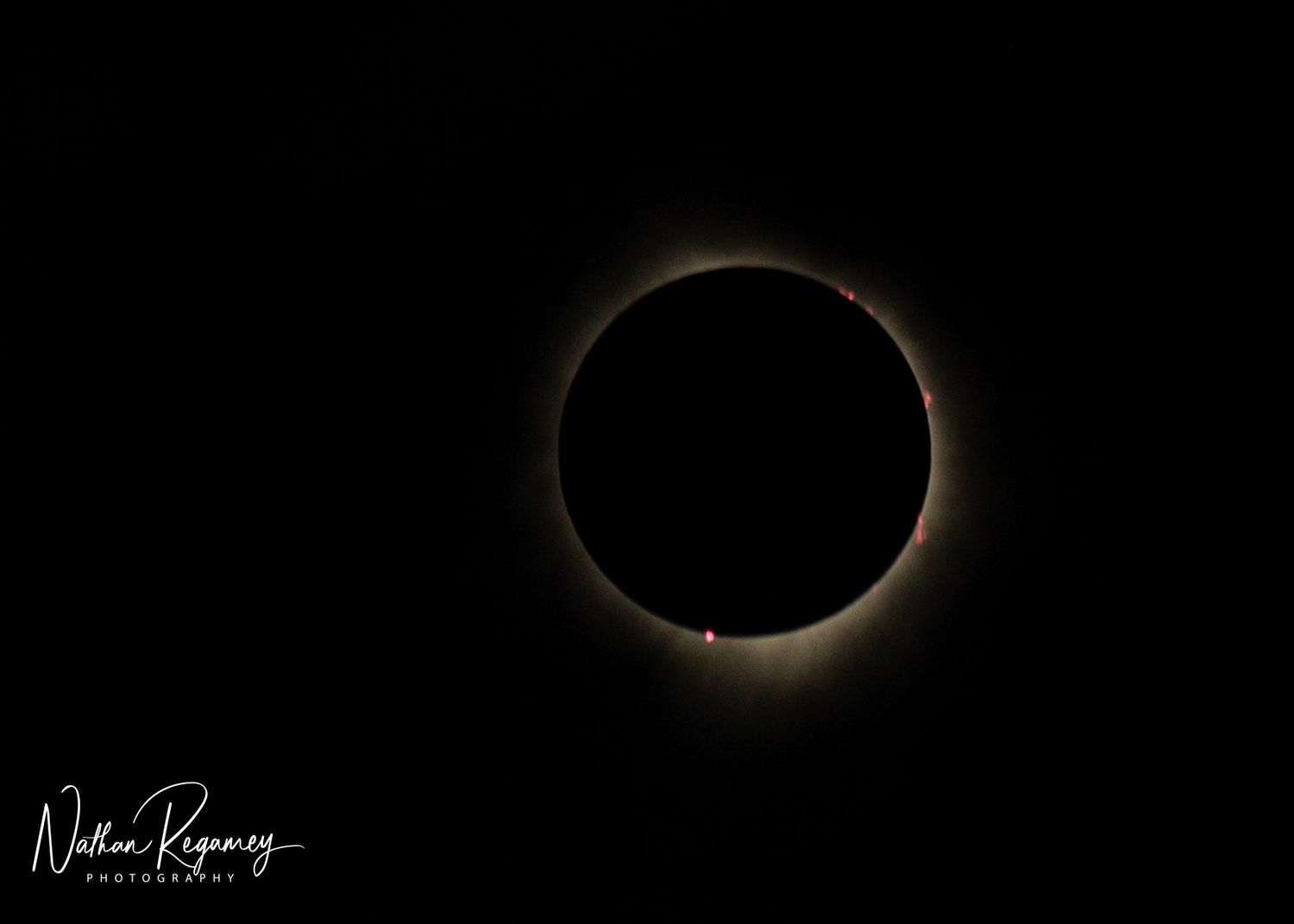
Photographing a total solar eclipse is a high-stakes balancing act between technical precision and witnessing a rare natural marvel. To capture the elusive solar corona—the shimmering atmosphere of the sun visible only during totality—you must be prepared to adjust your exposure settings rapidly as the light levels plummet. Using a sturdy tripod and a remote shutter release is essential to prevent camera shake during the longer exposures required when the moon completely obscures the sun. While a telephoto lens (300mm to 600mm) is the standard for detailed close-ups, wide-angle shots can also produce stunning results by capturing the "360-degree sunset" effect on the horizon.
Safety and timing are the most critical components of a successful shoot. You must use a certified solar filter for every moment of the partial phases to protect your camera’s sensor and your own eyes. However, once the "diamond ring" disappears and totality begins, the filter must be quickly removed to reveal the corona’s delicate streamers. It is often helpful to use exposure bracketing, which takes a series of photos at different shutter speeds, ensuring you capture everything from the bright "Baily's Beads" to the faint outer edges of the solar atmosphere. Most importantly, remember to step away from the viewfinder for a few moments to experience the breathtaking phenomenon with your own eyes.